
Neuromuscular diagnostics
With over 20 years of experience researching traditional electrodiagnostic methods, Dr. Katzberg has participated in and led international symposia and seminal monographs on the subject, serves on the Electrodiagnostic Task Force of the International GBS Outcome Study (IGOS) and the Inflammatory Neuropathy Consortium, and collaborates through T-CAIREM at the University of Toronto on AI techniques for neuromuscular diagnostics. His research mission: a “No Shocks, No Needles, No Scalpels” minimally invasive approach to neuromuscular diagnostics.
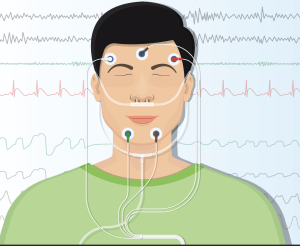
Oculography for myasthenia gravis
Collaboration with sleep neurologists and electrical engineers has led to a method of analyzing the unique electro-oculography signals of patients with myasthenia gravis. Dr. Katzberg is co-PI on a CIHR-funded multi-site study aiming to validate this as a diagnostic tool for MG.
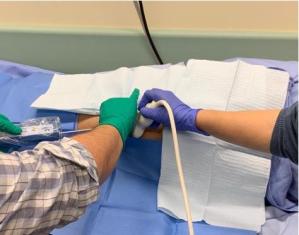
Percutaneous muscle biopsy
Dr. Katzberg started a percutaneous muscle biopsy program at the Prosserman Centre for Neuromuscular Diseases in 2010. The single-operator automatic suction technique has been published and is now used in neuromuscular clinics across Canada and in multi-centre clinical trials.
Evaluation of small fiber neuropathy
Expertise in the assessment of small fiber neuropathy, chairing the AANEM Task Force Evaluating Diagnostic and Screening Laboratory Tests for Small Fiber Neuropathy alongside other experts in the field.
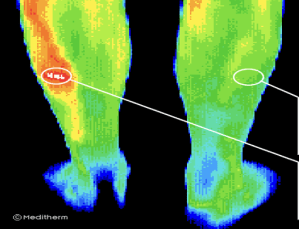
Neuromuscular imaging
A special interest in neuromuscular ultrasound and MRI neurography for the assessment of neuromuscular disease, including leading clinical research and creating novel educational programs such as multi-disciplinary MRI Neurography Rounds at UHN.
